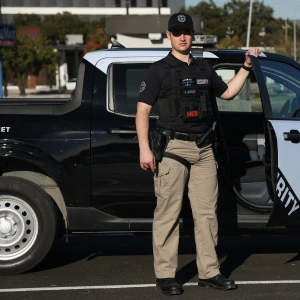
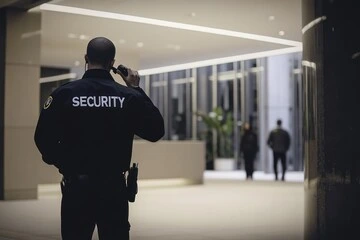
The role of security can differ widely based on environmental threat, operational sensitivity and public engagement. In some areas, special protective measures are needed to keep the area orderly, deter criminal activity and effectively respond to emergency situations. Properly equipped and trained, armed security guards are frequently incorporated into more comprehensive protective arrangements and programs and continue playing an important role in plan implementation that affords for speedy decision-making and a degree of vigilance. Professional preparedness in high stress situations leads to safer work environments, and it can help to support controlled working environments in the structure.
Elevated Threat Awareness
Protective duties often involve making quick decisions and observing things all the time. There are often unusual situations that need to be seen and understood in a high-risk area which may stem from unusual behaviors or other environmental factors. Training for security forces deployed to critical facilities is usually designed to enhance awareness and capability to respond. Observation plays an important role in good incident prevention and also in minimizing risk factors that can have an adverse effect on the smooth running of the unit or its safety expectations.
Sensitive Site Protection
In specific settings, there are assets of greater value or restricted access along with greater exposure to the external threat which means there is a need for greater sophistication in supervision. Hospitals, businesses that deal with personal data, banking institutions, or public events might tend to implement greater security controls. Access control security may be complemented with an armed security guard in these types of environments and may be tasked with providing verbal and visual deterrence. Id boosts self-confidence and readiness for unforeseen situations.
Crisis Decision Making
This hasty decision making can be crucial in cases of unanticipated scenarios. It is possible that in some challenging environments, security officers are assessing emerging risks by observing, training, and understanding procedures. During stressful incidents, keep a sense of order and minimise confusion by making calm and informed decisions. Proficient professional discipline can aid in effective coordination, especially in the event of safety concerns that need urgent action and construction of a common information exchange between responsible persons.
Public Space Stability
It is important to have consistent supervision, as in busy areas, activity can increase or decrease, potentially putting the safety of your child at risk. Affected areas that are prone to crowdedness may have problems with unacceptable behavior, conflict or disturbances related to the comfort and movement of others. Security staff play a key role in ensuring the safe and secure atmosphere by remaining vigilant and ensuring a proper and orderly setting. When the behavior of visitors is consistently monitored, respectful behavior may be reinforced, and an atmosphere of safety may be fostered in an organized setting.
Access Control Measures
Restricted area movement and sensitive area movement still are important roles in many situations. Sectional entrances may need to be monitored to ensure that the valid presence of persons is confirmed, any excess risks are mitigated, and any unnecessary risks are diverted. Combined with trained staff who can recognize abnormal behavior or patterns, controlled access systems are more effective. Careful oversight can lead to improved working procedures and consistency in operations, thus ensuring safer working procedures.
Emergency Response Readiness
Unforeseen events often require timely response to a situation that requires preparations and sound judgment. In situations of a safety issue or disturbance or in an evacuation situation, security professionals are often on hand to help. Quick answers minimize uncertainty and facilitate a well-managed response to challenging situations. This strategic deployment of an armed security guard within a prepared and controlled environment can aid in the effective response by keeping the situation calm and stabilizing.
Professional Conduct Standards
Discipline is needed beyond being there. Communication skills, emotional management, moral judgment, and procedural knowledge are important factors sometimes in the effective execution of security. Professional conduct enhances trust and minimises uncalled for conflict in situations which are sensitive. People who are assigned to challenging duties tend to do well if they are serene, adhere to operational procedures and never left for lack of responsibility in organizations with increased accountability.
Environmental Risk Assessment
Security planning is enhanced when security is based on the actual environmental risks. Various locations have different risks that should be addressed in different ways, with different routines of patrol and observation, and with different kinds of preparedness. Regular assessment of the environment enables better prediction of emerging issues in the environment, and prevents escalation of disruption. Practical testing increases protection effectiveness by keeping resources and staff on those areas which have the most difficult operational or safety requirements.
Conclusion
Balanced preparation, awareness and good discipline is key to security planning. It is not uncommon for protective staff to be a significant factor in maintaining peace and safety when high risk items are in play. Preparation, behavior, and observation are structured and helpful in creating safer conditions. Continuous protection, which is often key to long-term stability, often requires careful strategies to shift with confidence and confidence in changing concerns.