
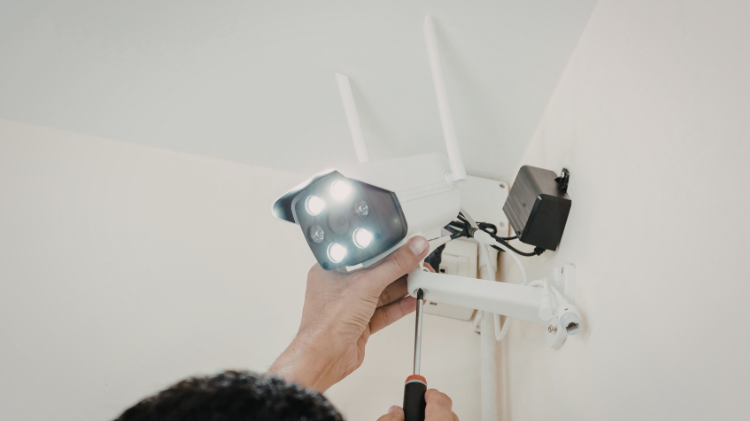
Contemporary security systems are highly relying on well-established visual surveillance systems that help secure the premises, prevent crimes, and offer verifiable data in case of an incident. The use of surveillance technology has evolved in a great way, as it provides organisations and property owners with a strong technology to monitor in different settings 24/7. Professional installation of CCTV cameras provides the technical capability, equipment quality and organized approaches to deployment that is to be needed to develop effective and dependable surveillance systems. By engaging qualified installation experts, systems are installed properly, placed strategically, and have them integrated effectively into overall security systems to a level of their best defense.
Installation Requirements and Quality of Technical Performance
Long-term operational reliability and consistency of performance directly depends on the technical quality of the installation of the surveillance system. Cable management, weatherproofing, and power supply setup and recording equipment installation is done keeping standard best practices, which make the system reliably operate in all types of environmental conditions by professional installers. Poor installation – in the form of improper weatherproofing, poor management of cables or incorrect camera positioning also causes early equipment failure, reduced photography and recording performance and poor image quality. Professionally installed installations involve designed cabling, protection hardware, proper conduit protection and properly set network connections, which overall make the system ready to run over the lifecycle of the equipment.
Interconnection With General Security MIS
The best surveillance is effected when camera systems are concurrently incorporated into the larger security management systems than standing alone as a single installation. Professional providers establish surveillance infrastructures that are compatible with access control platforms, alarm management, remote monitoring stations and incident management software. By being integrated, integrated systems may coordinate responses whereby camera alerts trigger access controls, alarming causes recording reviews, and constant situational awareness among the multiple security layers is delivered to monitoring personnel. This form of systems integration reconfigures discrete articular surveillance cameras into linked elements of holistically, intelligently-coordinated protective infrastructures that offer extreme better comprehensive security results.
Long-Term System Reliability, Maintenance and Support
Long-term operation of the surveillance system needs professional maintenance that detects and responds to technical problems before they interfere with the activity of the system. Periodic maintenance is provided such as cleaning of lenses, checking of mounting hardware, updating of firmwares, verification of recording storage and testing the network connectivity. Structured support agreements provided by professional providers guarantee timely technical support in case of equipment faults or configuration problems. Consistent system-health monitoring also spares equipment service, sustains its image quality, and ensures recording infrastructure can be trusted to keep recording uninterrupted. Emerging maintenance investment safeguards the stock expenses portrayed by the surveillance infrastructure, and it maintains dependable uninterrupted coverage.
Conclusion
Professionally designed, installed, and maintained surveillance infrastructure is a basic undertaking of commitment to the safety of premises and operational security. Complete CCTV camera installation services provide the technical know-how, strategic planning and quality implementation required in order to achieve surveillance systems that would offer real lasting protective value. Such organisations and property owners who hire professional installatory services have the advantage of properly installed, strategically located, and operating surveillance infrastructure, it is regarded as being in place to alert of this or that, so that their premises, properties and occupants would be under a consistent and effective reach of visual protection throughout the life span of the system.